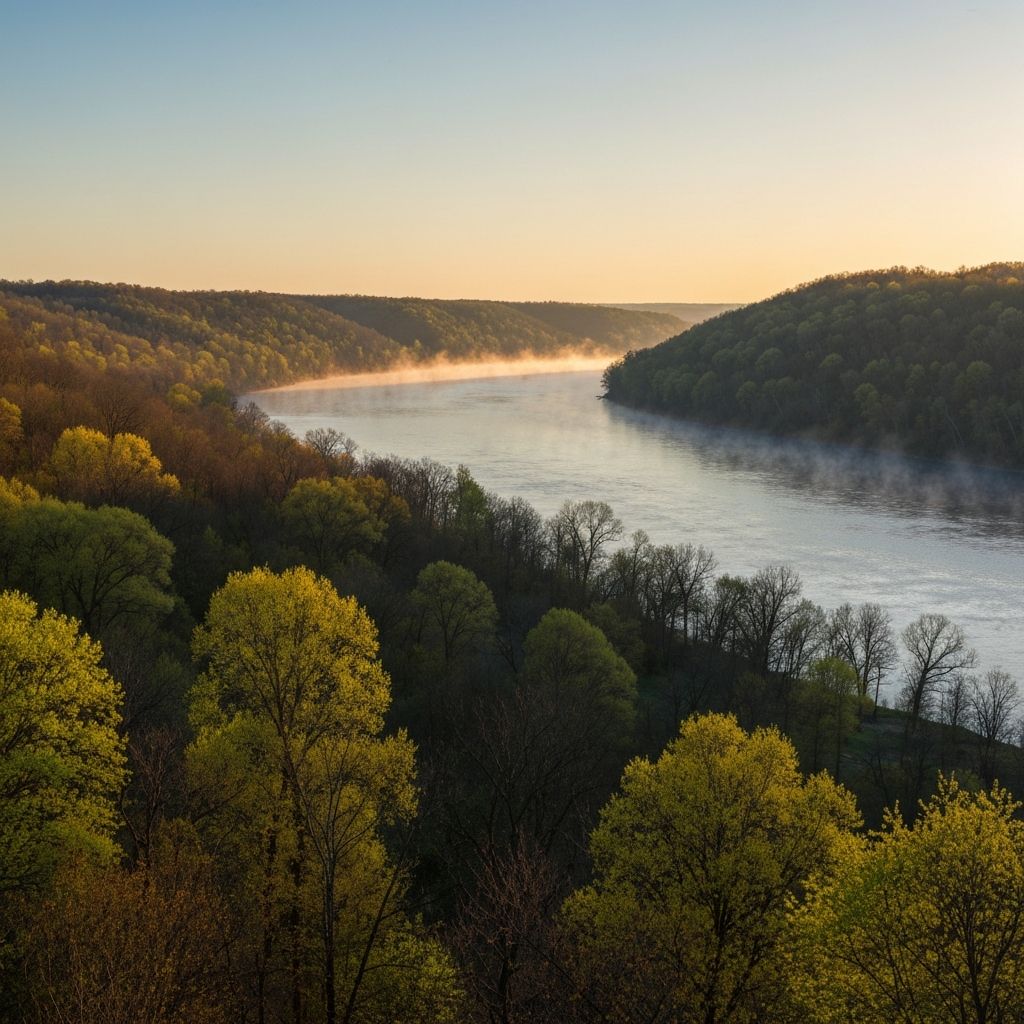
The Susquehanna River near Marietta, Pennsylvania at dawn
Spring · April

Birds of the Susquehanna

Species likely to be seen today along the river near Marietta, PA — powered by real-time eBird sightings data.

Loading real-time sightings...

9 species expected

40.054°N, 76.581°W · 5 km radius near Marietta, PA

View on eBird →
Raptors

Bald Eagle

Haliaeetus leucocephalus

Common

The Susquehanna is one of Pennsylvania's premier eagle-watching corridors. Pairs nest in large sycamores and cottonwoods along the banks and are highly visible year-round, especially near the shad and herring runs in April.

Hotspot: Marietta riverfront park, Anderson Ferry area

Tip: Look high in riverside trees at dawn. Adults have the iconic white head; immatures are mottled brown.

Raptors

Osprey

Pandion haliaetus

Common

April marks the height of osprey return migration along the Susquehanna. These spectacular fish-hunters hover 30–100 feet above the water before plunging feet-first to snatch a shad or bass.

Hotspot: Open river channel, PA 441 overlooks

Tip: Listen for their high, whistling 'kyew kyew' call. Check utility poles and channel markers for perching birds.

Wading Birds

Great Blue Heron

Ardea herodias

Abundant

The signature bird of the Susquehanna shallows. Great Blue Herons stand motionless in riffles and backwaters, striking at fish with lightning speed. Rookery Island near Washington Boro historically hosted hundreds of nesting pairs.

Hotspot: Shallow riffles at low-water ramps, Anderson Ferry

Tip: Scan the rocky shallows at any time of day. Their slow, prehistoric wingbeats make them unmistakable in flight.

Waterfowl

Tundra Swan

Cygnus columbianus

Uncommon

In late February and early March, the Conejohela Flats area (just south of Marietta) hosts thousands of Tundra Swans staging for their Arctic migration. By early April stragglers and small groups still move through.

Hotspot: Conejohela Flats, Washington Boro boat launch

Tip: Use a spotting scope from the York County shore. The bugling calls carry far across the water on still mornings.

Waterfowl

Common Merganser

Mergus merganser

Common

These sleek, fish-eating diving ducks are winter and early-spring regulars on the Susquehanna. Males display an iridescent green head and red serrated bill; females sport a rusty-red crested head. Watch for them diving in swift current.

Hotspot: Open river channel from any access point

Tip: Mergansers prefer fast-flowing stretches. Look for small rafts resting on rocks between dives.

Waterfowl

Bufflehead

Bucephala albeola

Uncommon

North America's smallest diving duck, the Bufflehead winters and spring-stages on the Susquehanna. Males are striking in black-and-white with an iridescent head patch. They dive rapidly and are quick to flush.

Hotspot: Calmer coves and eddy pools along the main river

Tip: Scan flocks of other diving ducks — Buffleheads often mix with scaup and mergansers near mid-river sandbars.

Waterfowl

Canada Goose

Branta canadensis

Abundant

A fixture of the Susquehanna shoreline year-round. In April, resident pairs are establishing territories and nest sites along grassy river banks. Large flocks of migrants continue pushing north through the region.

Hotspot: River access parks, grassy banks, island margins

Tip: Listen for their honking V-formations overhead at dawn and dusk as migrants pass through.

Wading Birds

Double-crested Cormorant

Nannopterum auritum

Common

Cormorants have increased dramatically on the Susquehanna in recent decades. They perch on rocks and channel markers with wings spread to dry — a prehistoric-looking posture. Groups fish cooperatively in the main channel.

Hotspot: Rocky outcrops, navigation channel markers

Tip: Their low, direct flight silhouette with a kinked neck distinguishes them from geese at a distance.

Gulls & Terns

Ring-billed Gull

Larus delawarensis

Common

The most common gull on the Susquehanna. Ring-bills are opportunists that follow shad-fishing boats, scavenge along banks, and loaf on sandbars and parking lots. The bold black ring around the yellow bill is the key field mark.

Hotspot: Any boat launch, sandbar, or river access

Tip: Scan gull flocks carefully — Bonaparte's Gulls (smaller, with black ear spot) mix in during late March into May migration.

Species and abundance based on eBird data and the Pennsylvania Society for Ornithology site guide for the Conejohela Flats / Susquehanna corridor. Always check local hotspot reports for the latest sightings.

Today: April 2, 2026